Why every headline now feels like an emergency, and what it is doing to a generation
News has not become more frightening by accident. The way it reaches us has changed. Understanding that machinery is the first step to staying informed without staying anxious.
Scroll through any news feed for five minutes and a pattern appears. Everything is breaking. Everything is shocking. Every development is either a triumph or a catastrophe, rarely anything in between. For a generation that receives most of its news through a phone, the world can start to feel like a permanent emergency.
It is tempting to blame the world itself. Yet the more useful question is not whether things are worse, but why they feel worse. The answer lies less in events than in the machinery that delivers them.
The feed rewards alarm
A printed newspaper had a fixed front page. Editors decided what mattered, and the reader received the same hierarchy as everyone else. A feed works differently. It is ranked, moment to moment, by what keeps people engaged. Content that triggers fear, anger or outrage tends to be shared and commented on more, so it rises. Calm explanation, which rarely provokes a reaction, quietly sinks.
No single editor chooses alarm. The system simply learns that alarm works. Publishers notice which headlines travel and adjust. Over time, the tone of the entire information environment shifts, and the reader experiences that shift as a darker world.
Speed without context
The second change is speed. A story now reaches us in fragments: a clip, a screenshot, a claim, a reaction to the claim. Context arrives later, if at all. By the time a fuller picture emerges, attention has moved on. We are left with the emotional residue of many stories and the understanding of very few.
Being informed is not the same as being constantly updated. One is about understanding; the other is about exposure.
What it does to young readers
For students and young professionals, the cost is subtle. Constant exposure to crisis can produce a kind of learned helplessness: the sense that problems are enormous, everywhere and beyond anyone's influence. Paradoxically, that feeling makes people less likely to engage with the issues that actually shape their lives, from local governance to the job market.
There is also an opportunity cost. Attention spent refreshing a feed is attention not spent reading deeply on one subject, which is how real expertise and independent judgement are built.
A healthier way to follow the news
- Choose depth over volume. One well-reported explainer a day teaches more than fifty headlines.
- Separate the event from the reaction. Ask what actually happened before reading what people think about it.
- Wait a day on big stories. Early reports are often incomplete. The second-day story is usually the better one.
- Follow a few topics closely. Knowing one area well gives you a benchmark for judging everything else.
- Notice how you feel. If a source consistently leaves you anxious but no wiser, it is selling emotion, not information.
None of this means looking away. The world does have serious problems, and a generation that understands them clearly will be better placed to solve them. The goal is to be informed by design rather than alarmed by default.
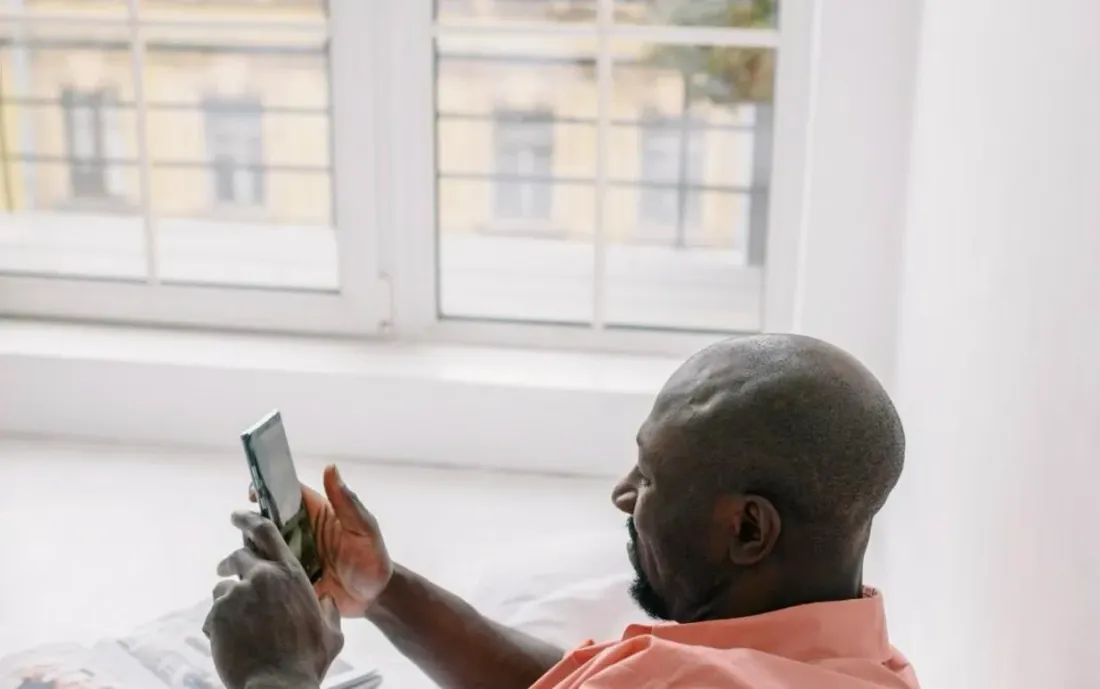
Photo: Ksenia Chernaya / Pexels